
- Accessibility and Convenience: Android devices are readily available and affordable, making FPS games accessible to a wide audience. Players can enjoy these games anytime, anywhere, without the need for bulky consoles or expensive PCs.
- Improved Mobile Technology: Advancements in mobile processors, graphics chips, and displays have enabled developers to create visually stunning and gameplay-rich FPS experiences on Android devices.
- Growing Demand for Immersive Gaming: Mobile gamers are increasingly seeking immersive and engaging experiences, and FPS games offer the perfect blend of action, strategy, and competition.
- Free-to-Play Model: Many popular FPS games on Android are available for free, with optional in-app purchases for cosmetic items or gameplay enhancements. This model has significantly broadened the reach of these games and attracted a large player base.
Impact of Mobile Technology Advancements
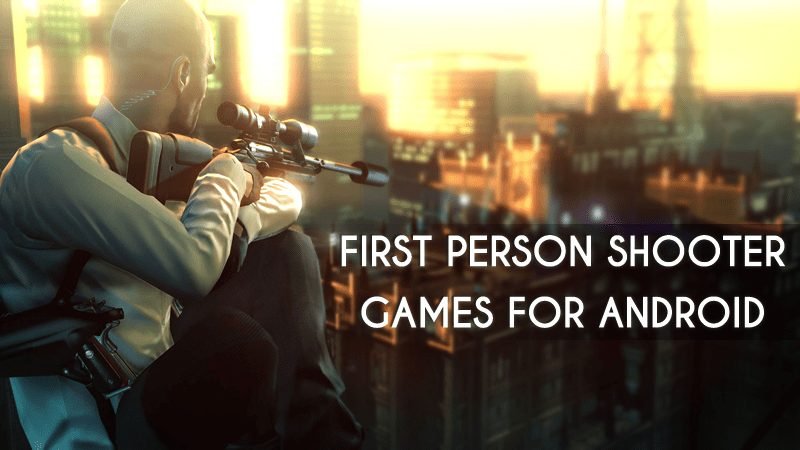
Mobile technology advancements have played a pivotal role in shaping the evolution of FPS games on Android. Here are some key impacts:
- Improved Graphics and Visual Fidelity: The increasing power of mobile processors and graphics chips has allowed developers to create visually stunning games with realistic environments, detailed character models, and advanced lighting effects.
- Enhanced Gameplay Mechanics: More powerful hardware has enabled developers to implement complex gameplay mechanics, such as physics-based interactions, realistic weapon handling, and advanced AI behaviors.
- Innovative Control Schemes: Touchscreens have presented unique challenges for FPS games, but developers have innovated with control schemes like virtual joysticks, gyroscopic controls, and touch-based aiming systems to provide intuitive and responsive gameplay.
- Expanded Multiplayer Capabilities: Mobile networks have improved significantly, enabling seamless multiplayer experiences with low latency and stable connections, facilitating competitive gameplay and social interaction.
Final Summary