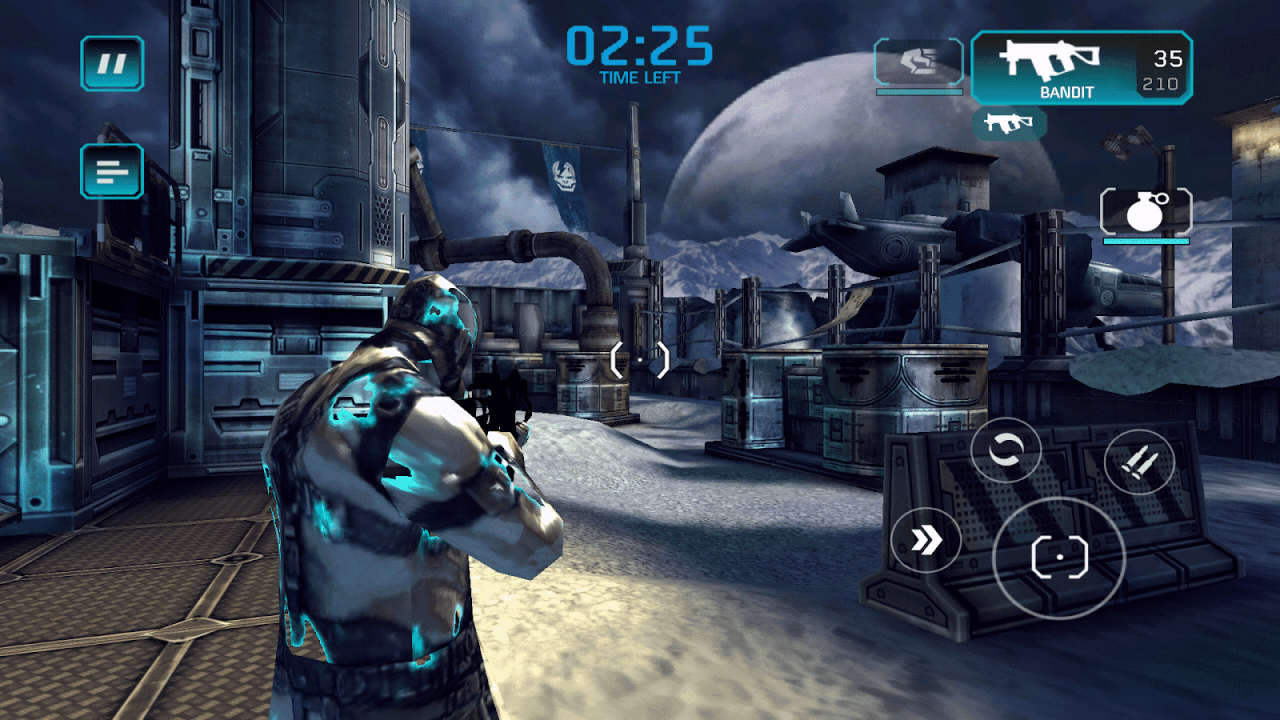
Game Android Unity: Building Mobile Experiences unlocks the potential of creating engaging and interactive mobile games. Unity, a powerful game engine, empowers developers to leverage its robust features and intuitive interface to craft captivating Android experiences.
Game development with Unity on Android offers a vast canvas for creativity, allowing developers to bring diverse gaming experiences to life. For those seeking a more refined and strategic gameplay, consider delving into the world of pool games, where precision and calculated shots reign supreme.
If you're looking for the best pool game experience on PC, check out this comprehensive guide for a curated list of top contenders. Whether you're creating a casual mobile pool game or a more complex simulation, Unity provides the tools to bring your vision to fruition.
This guide delves into the intricacies of Android game development using Unity, exploring its advantages, core concepts, and advanced techniques. From setting up a Unity project for Android to integrating native features and implementing monetization strategies, this comprehensive resource equips you with the knowledge to build successful mobile games.
Unity for Android Game Development
Unity is a powerful and versatile game engine that has gained immense popularity among developers for creating cross-platform games, including Android games. Its user-friendly interface, extensive asset store, and robust scripting capabilities make it an ideal choice for both beginners and experienced game developers.
Game development with Unity on Android offers a wide range of possibilities, from fast-paced action to strategic experiences. One popular genre that thrives in this environment is the turn-based game, which allows players to carefully consider their moves and strategize their approach.
If you're interested in exploring this genre, check out turn based game android for inspiration and resources. Unity's robust features make it ideal for creating engaging turn-based games on Android, allowing developers to craft captivating experiences that keep players hooked for hours.
Advantages of Using Unity for Android Game Development
Unity offers a plethora of advantages for Android game development, making it a preferred platform for many developers.
- Cross-Platform Compatibility:Unity allows developers to create games that can be easily ported to multiple platforms, including Android, iOS, Windows, and macOS, reducing development time and effort.
- User-Friendly Interface:Unity's intuitive interface makes it easy for developers to learn and use, even for those with limited programming experience. The visual editor and drag-and-drop functionality streamline game development, enabling faster prototyping and iteration.
- Extensive Asset Store:The Unity Asset Store provides a vast library of pre-built assets, including 3D models, textures, scripts, and audio, which can be integrated into games, saving developers time and effort.
- Robust Scripting Capabilities:Unity's scripting capabilities, powered by C#, allow developers to create complex game logic and interactions. The language's familiarity and extensive documentation make it easy to learn and use.
- Active Community and Support:Unity boasts a large and active community of developers, providing ample resources, tutorials, and support for troubleshooting and learning new techniques.
Setting Up a Unity Project for Android
Setting up a Unity project for Android development is a straightforward process. Here's a step-by-step guide:
- Install Unity Hub:Download and install the Unity Hub, which serves as the central hub for managing Unity projects and installations.
- Create a New Project:Launch Unity Hub and create a new project. Choose the 3D template for game development.
- Configure Android Build Settings:Navigate to the "Build Settings" window (File > Build Settings). Select Android as the target platform and ensure that the necessary SDK and NDK are installed.
- Add Android SDK and NDK:If the SDK and NDK are not already installed, Unity will prompt you to download and install them. You can also manually install them from the Android Developer website.
- Set Build Options:Configure build options, such as screen resolution, API level, and other settings, to optimize the game for the target Android device.
- Build and Run:Once the project is configured, click "Build and Run" to generate an APK file and deploy the game to an Android device or emulator.
Optimizing Unity Games for Android Performance, Game android unity
Optimizing Unity games for Android performance is crucial for ensuring a smooth and enjoyable gaming experience. Here are some essential tips:
- Reduce Draw Calls:Minimize the number of draw calls by combining objects with similar materials and using techniques like batching.
- Optimize Textures:Use compressed textures and appropriate texture sizes to reduce memory usage and improve loading times.
- Use Culling Techniques:Employ techniques like frustum culling and occlusion culling to hide objects that are not visible to the player.
- Minimize Script Overhead:Avoid unnecessary calculations and update loops in scripts to improve performance.
- Profile and Analyze:Use Unity's profiler to identify performance bottlenecks and optimize accordingly.
Popular Android Games Built with Unity
Unity has been used to develop a wide range of popular Android games, showcasing its versatility and capabilities.
While game development using Unity is popular for Android, it's worth noting that many popular PC games are distributed through platforms like Origin , offering a vast library of titles. This showcases the versatility of Unity, which can be used to create games for a variety of platforms, from mobile to desktop.
- Monument Valley 2:A stunning puzzle game known for its beautiful visuals and innovative gameplay.
- Alto's Odyssey:A relaxing and addictive endless runner game with a unique art style.
- Pokémon GO:A massively popular augmented reality game that utilizes GPS and location services.
- Temple Run 2:A fast-paced endless runner game with challenging obstacles and power-ups.
- Crossy Road:A simple yet addictive arcade game with a retro pixel art style.
Core Concepts of Android Game Development
Android game development with Unity involves understanding fundamental concepts that underpin game creation and interaction.
Fundamentals of Android Game Development with Unity
Here are the key concepts you need to grasp for successful Android game development with Unity:
- Game Objects and Components:Unity's core building blocks are Game Objects, which represent entities in the game world. Components are scripts attached to Game Objects, defining their behavior and properties.
- Scenes and Levels:Games are structured into Scenes, representing different environments or levels. Developers create and manage these Scenes to define the game's progression.
- Scripting and Logic:C# scripting allows developers to implement game logic, handle user input, and control the behavior of game objects.
- Physics Engine:Unity's physics engine provides realistic simulation of object interactions, collisions, and forces.
- Graphics and Rendering:Unity offers a powerful rendering engine for creating visually appealing graphics, including shaders, materials, and lighting effects.
Input Handling, Touch Events, and Device Orientation
Android games rely heavily on touch input, making it essential to understand how to handle touch events and device orientation.
- Touch Input:Unity provides methods for detecting touch events, such as touch start, touch move, and touch end, enabling players to interact with game objects.
- Touch Events:Developers can use event handlers to respond to touch events, triggering actions based on touch gestures, such as taps, swipes, and drags.
- Device Orientation:Unity allows games to respond to device orientation changes, enabling features like accelerometer-based controls and perspective shifts.
UI Elements and Layouts in Unity for Android Games
Creating user interfaces (UI) is crucial for providing information, controls, and interactions in Android games. Unity offers a range of UI elements and layout options for this purpose.
- UI Canvas:The UI Canvas acts as a container for UI elements, allowing developers to organize and position them within the game scene.
- UI Elements:Unity provides a variety of UI elements, such as buttons, text, images, sliders, and input fields, for creating interactive interfaces.
- Layouts:Unity offers different layout options, such as vertical layout, horizontal layout, and grid layout, for arranging UI elements effectively.
- Anchors and Pivot Points:Anchors and pivot points control how UI elements scale and position themselves relative to the screen, ensuring responsive layouts across different screen sizes.
Designing a Simple Android Game Using Unity
Let's design a simple Android game using Unity to illustrate basic game mechanics.
Developing games for Android using Unity is a popular choice, offering a powerful engine for creating engaging experiences. However, when it comes to the PC platform, there's a whole world of amazing platformers to explore. If you're looking for inspiration or simply want to experience some of the best, check out this list of best platform game pc titles.
The insights you gain from these PC games can help you design more engaging and polished experiences for your own Android Unity projects.
Game Concept:
We'll create a simple "Catch the Ball" game where the player controls a character that moves left and right to catch falling balls. The player scores points for each ball caught and loses if they miss a certain number of balls.
Game Mechanics:
- Character Movement:The player controls the character using touch input, moving left and right on the screen.
- Ball Spawning:Balls are spawned at random intervals from the top of the screen and fall downwards.
- Collision Detection:The game checks for collisions between the character and the balls. If a collision occurs, the ball is caught, and the player scores a point.
- Game Over:The game ends if the player misses a certain number of balls.
Implementation:
- Create Game Objects:Create a Game Object for the character and another for the ball.
- Add Components:Attach a script to the character for handling movement and a script to the ball for handling its trajectory and collision detection.
- Implement Movement:In the character script, use touch input to move the character left and right.
- Implement Ball Spawning:Create a script that spawns balls at random intervals and sets their initial position and velocity.
- Implement Collision Detection:In the ball script, check for collisions with the character and update the score accordingly.
- Implement Game Over:Track the number of missed balls and end the game when the limit is reached.
Advanced Android Game Development Techniques: Game Android Unity
Beyond the core concepts, advanced techniques enhance Android game development, enabling richer features and engaging gameplay.
Integrating Native Android Features into Unity Games
Unity allows developers to integrate native Android features into their games, leveraging the platform's capabilities.
- Android Plugins:Unity supports the use of Android plugins, which are native Android libraries that can be accessed from Unity scripts. This enables developers to interact with Android features, such as the camera, sensors, and device storage.
- Java Interop:Unity's Java interoperability allows developers to call Java code from Unity scripts. This provides access to a wide range of Android APIs and libraries.
- Android Permissions:Developers need to request appropriate Android permissions to access specific features, such as location services, camera, and microphone.
Using Plugins and Libraries to Enhance Game Functionality
Plugins and libraries offer pre-built solutions for common game development tasks, saving developers time and effort.
- Asset Bundles:Asset Bundles allow developers to package assets separately and load them on demand, reducing the initial game size and improving loading times.
- Analytics Libraries:Libraries like Firebase Analytics provide tools for tracking user behavior, gathering insights, and improving game design.
- Advertising SDKs:Ad networks like AdMob offer SDKs for integrating in-app advertising, monetizing games through ad revenue.
- Social Integration Libraries:Libraries like Facebook SDK allow developers to integrate social features, such as leaderboards, achievements, and sharing, enhancing player engagement.
Implementing In-App Purchases and Advertising in Android Games
Monetization strategies are crucial for generating revenue from Android games. In-app purchases and advertising are two common approaches.
- In-App Purchases:Developers can offer virtual goods, consumables, and premium features through in-app purchases, providing players with additional content and options.
- Advertising:Integrating ads, such as banner ads, interstitial ads, and rewarded ads, can generate revenue based on user engagement and impressions.
Monetization Strategies for Android Games

| Monetization Strategy | Description | Pros | Cons |
|---|---|---|---|
| In-App Purchases | Offering virtual goods, consumables, and premium features for purchase within the game. | Higher revenue potential, allows for more engaging gameplay, provides players with additional content. | Can create a pay-to-win environment, requires careful implementation to avoid user frustration. |
| Advertising | Displaying ads within the game, generating revenue based on user engagement and impressions. | Relatively easy to implement, can provide a consistent revenue stream. | Can be intrusive to players, may affect user experience. |
| Subscription Model | Providing access to premium features or content for a recurring fee. | Provides consistent revenue, can encourage long-term engagement. | May not be suitable for all game genres, requires careful pricing and value proposition. |
| Freemium Model | Offering a free-to-play version with limited features, with optional in-app purchases to unlock premium content. | Widely adopted, can attract a large user base. | Can be challenging to balance free and paid content, requires careful monetization strategy. |
Epilogue
Mastering the art of Android game development with Unity requires a blend of technical proficiency and creative vision. By understanding the core concepts, leveraging advanced techniques, and optimizing for performance, you can bring your game ideas to life on the Android platform.
The journey begins with a solid foundation in Unity, and with each step, you unlock the potential to create immersive and engaging mobile experiences that captivate audiences worldwide.