Combat Systems
Mobile RPGs employ various combat systems, each offering unique challenges and strategic considerations. The most prevalent combat systems include:
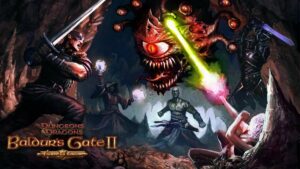
- Turn-Based Combat:This classic system involves alternating turns between the player and enemies, allowing for strategic planning and tactical decision-making. Examples include Final Fantasy Brave Exviusand Chrono Trigger.
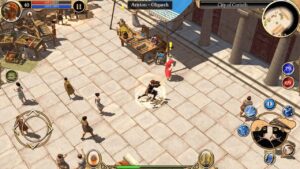
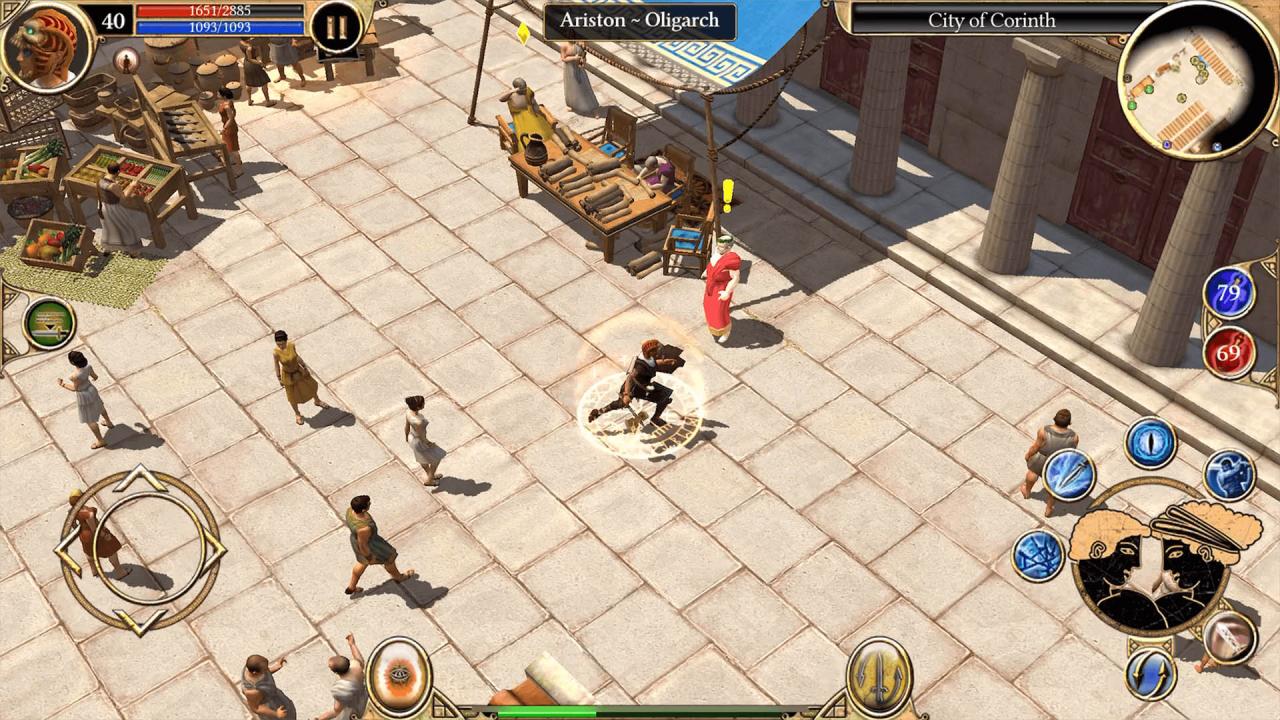
- Real-Time Combat:This system requires players to react quickly and make decisions in the heat of battle, emphasizing timing and reflexes. Examples include Genshin Impactand Eternium.
- Auto-Combat:This system allows players to automate combat, freeing them from the need to actively control their characters. While convenient, it can lead to a less engaging experience. Examples include Summoners Warand King’s Raid.
Character Progression
Character progression is a core aspect of RPGs, allowing players to customize and strengthen their characters over time. Mobile RPGs often feature a variety of progression systems, including:
- Leveling Up:As players gain experience points, their characters level up, increasing their stats and unlocking new abilities.
- Equipment Upgrades:Players can acquire and upgrade equipment, enhancing their characters’ attributes and providing tactical advantages.
- Skill Trees:Skill trees allow players to invest in specific skills and abilities, tailoring their characters’ playstyle to their preferences.
Social Elements
Many mobile RPGs incorporate social features, fostering a sense of community and encouraging player interaction. These features include: