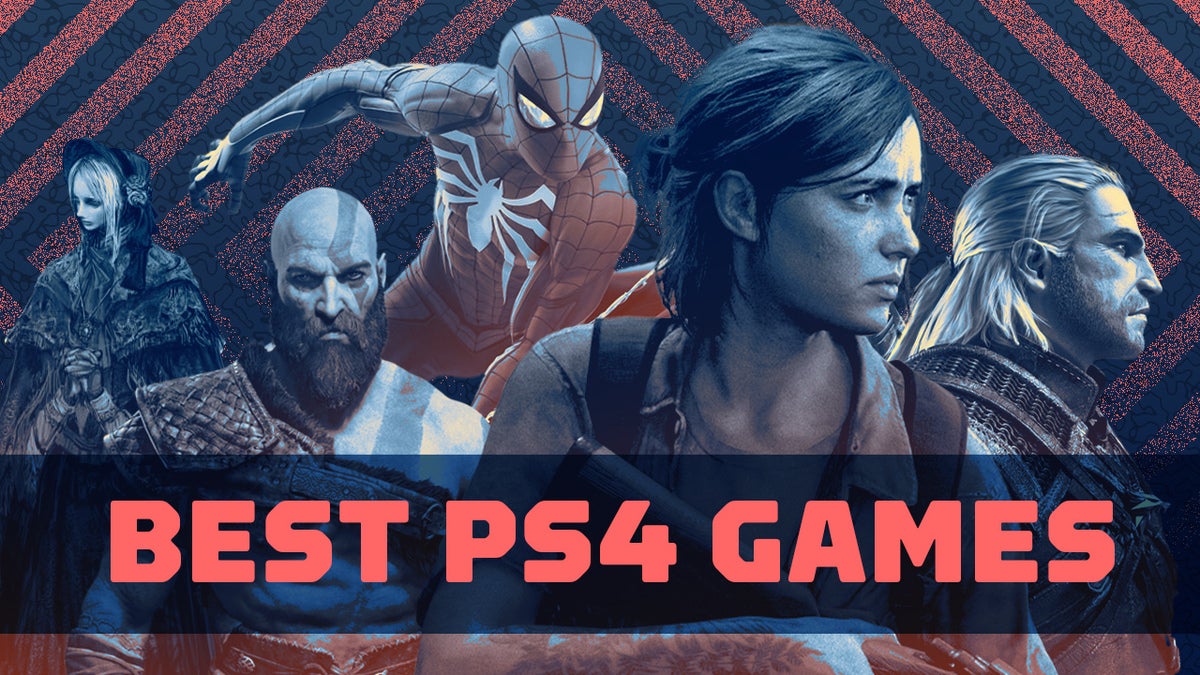
Several factors can be considered when determining the “best” game. These include:
- Critical Acclaim: Reviews from respected gaming publications and critics can offer insights into a game’s quality and impact.
- Sales Figures: Commercial success often reflects a game’s popularity and appeal to a broad audience.
- Cultural Impact: Games that have had a lasting influence on the gaming industry or popular culture can be considered “best” for their cultural significance.
- Personal Preference: Ultimately, the “best” game is the one that resonates most with an individual player based on their personal tastes and gaming experiences.
Subjectivity of “Best”
The notion of “best” is inherently subjective. What one player considers a masterpiece, another might find unappealing. Different players may prioritize different aspects of a game, such as story, gameplay, graphics, or music. Ultimately, the “best” game is a matter of personal preference.
Examples of “Best” Games
Some games are widely considered “best” for specific reasons. For example, Final Fantasy VII is often praised for its groundbreaking story and characters, while Metal Gear Solid is lauded for its innovative stealth gameplay and cinematic storytelling. Other games, such as Crash Bandicoot and Spyro the Dragon, are considered “best” for their fun, accessible gameplay and charming characters.